The Black Hornet Nano Drone is a marvel of modern technology, revolutionizing the way military operations are conducted. Designed to be a highly compact and versatile unmanned aerial vehicle (UAV), the Black Hornet offers unprecedented performance in reconnaissance missions. With advanced features that cater to the specific needs of soldiers on the battlefield, this miniature drone has become an indispensable tool for defense forces around the world.
The Black Hornet Nano Drone’s primary function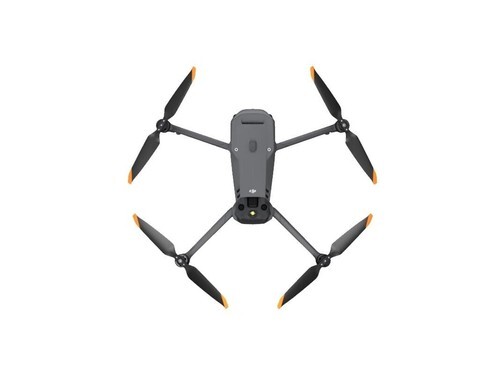 is to provide real-time situational awareness to ground troops. Weighing just 33 grams and small enough to fit in a soldier’s palm, this pocket-sized UAV is equipped with multiple cameras that transmit live video and still images back to the operator. These images help soldiers assess their surroundings, identify potential threats, and make strategic decisions with enhanced information. Its operational range extends to approximately 2 kilometers, offering a substantial advantage over traditional surveillance methods.
Miniaturization and Mobility
The very design of the Black Hornet prioritizes stealth and mobility. Its small size enables it to be deployed in urban environments, dense forests, or open battlefields without drawing attention. This is crucial for covert operations where staying undetected can mean the difference between success and failure. The drone’s construction uses durable materials designed to withstand harsh conditions, ensuring reliability in a variety of operational theaters.Black Hornet Nano Drone operates quietly, powered by an electric motor that minimizes noise, making it almost impossible to detect by enemy forces. Its VTOL (vertical takeoff and landing) capabilities allow it to hover or search in confined areas, unlike conventional fixed-wing drones that require larger spaces for launch and recovery.
Advanced Features
- The drone features GPS navigation, enhancing its autonomous flying capabilities.
- Its thermal imaging camera allows for nighttime operations, providing critical support at any hour.
- Equipped with sophisticated sensors, it can adapt to changing weather conditions and continue functioning in rain or wind.
These features are complemented by intuitive controls, making operation straightforward even under stressful conditions. The user interface is designed to allow soldiers to focus on the mission with minimal distraction.
Applications in Defense and Beyond
The Black Hornet Nano Drone is not only transforming military tactics; it is also finding applications in other sectors. Law enforcement agencies utilize these drones for crowd monitoring and search and rescue operations. Their capability to provide a bird’s-eye view without posing a threat makes them ideal for situations where larger drones would be impractical.
Real-World Impact
During search missions, the Black Hornet can cover large areas quickly, relaying critical information to ground teams to locate missing persons or suspects efficiently. This application showcases the innovation’s ability to save lives, minimize risk to personnel, and optimize resource allocation.
Future Prospects and Developments
As technology progresses, we can expect further enhancements to the Black Hornet Nano Drone. Potential developments include extended battery life, increased telemetry capabilities, and integration with other innovative technologies such as AI for automated decision-making. These advancements will continue to cement the Black Hornet’s position as a leader in the drone technology space.
Q: How do operators control the Black Hornet Nano Drone?
A: Operators use a handheld remote control device, which displays live feed from the drone and allows navigation through intuitive controls.
Q: Can the Black Hornet operate in adverse weather conditions?
A: Yes, it is designed to function in diverse weather conditions, including rain and windy environments, thanks to its robust sensory equipment.