With the ever-increasing presence of drones in our skies, many people have pondered the legal and ethical implications of whether you can shoot down a drone, especially if it seems to be invading your privacy. This question, while straightforward, involves a complex web of laws, regulations, and ethical considerations that are important to understand before taking any action. The legality of shooting down drones varies significantly depending on jurisdiction, so it’s crucial to be aware of the rules that apply in your area. For instance, in the United States, federal law prohibits the destruction of aircraft, which includes drones. This means that shooting down a drone can lead to severe legal consequences. Federal Aviation Administration (FAA) regulations classify drones as aircraft, and damaging or interfering with them is a federal crime. Furthermore, drones provide immense value in different sectors such as agriculture, real estate, security, and photography, so the outright destruction of drones could impact these industries negatively.
Understand Drone Laws
In many places around the world, property owners don’t automatically own the airspace above their land. This means that drones flying over private property generally aren’t in violation unless they are lingering at a low altitude, setting up potential privacy issues. If a drone is capturing footage or images, this may infringe on privacy laws, but each circumstance might offer a different legal approach. State and Local Regulations Some regions have enacted specific laws around drone operation, including where they can fly and under what circumstances they can be shot down. Understanding these local regulations can help navigate the murky waters of drone interaction. Self-defense or Crime Prevention? While it might be tempting to take down a drone invading your privacy, resorting to violent measures can escalate the situation unnecessarily. There are usually safer alternatives, such as contacting the authorities or using drone signal jammers — if permitted by law.
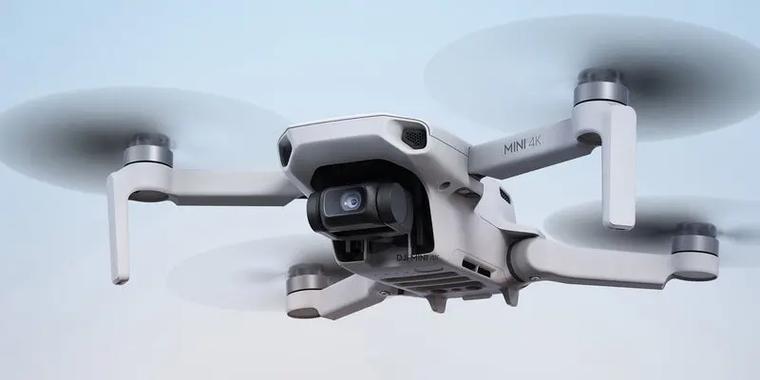
Not all drones possess the same capabilities. Some come equipped with advanced cameras and sensors, enhancing their ability to capture images and videos. Recognizing which drones pose a significant privacy risk can inform how to address them legally and ethically.
- Camera Quality: High-resolution cameras can capture detailed images, posing higher privacy risks.
- Flight Time: Longer battery life enables drones to stay in the air for extended periods.
To mitigate privacy concerns, investing in technologies that detect and block unwanted drone signals could be a less confrontational solution.
FAQ: Legal and practical considerations
- Are there legal alternatives to shooting down a drone?
- Yes, several methods do not involve shooting and are legal, such as alerting authorities or using signal jammers depending on local laws.
- Can a property owner legally shoot down a drone over their land?
- In most jurisdictions, doing so is illegal and considered destruction of property.
- What should I do if a drone is spying on me?
- Document the incident with images or videos if possible and report it to local law enforcement.
In conclusion, while the thought may cross your mind that a drone trespassing might justify shooting it down, the legal and ethical ramifications clearly suggest otherwise. Engaging in legal channels and utilizing alternative technologies can safeguard privacy without resorting to potentially illegal actions.