The invention of the drone is a tale of innovation stretching over decades, intertwined with advancements in technology and the efforts of multiple visionaries. While the term “drone” often brings to mind the modern quadcopters seen hovering overhead, the roots of this technology reach far back into the annals of history. The concept of unmanned aerial vehicles (UAVs) dates back to the early 20th century, driven initially by military imperatives. Early iterations of UAVs were mechanisms designed for aerial surveillance and strategies propelling their development came largely from military investments and initiatives.
Origins of Drone Technology
In the pursuit of creating machines capable of remote-controlled or autonomous flight, engineers and researchers laid the groundwork for what would eventually evolve into today’s sophisticated drones. Amongst the earliest influencers in this domain was Nikola Tesla, who, in 1898, demonstrated a radio-controlled boat, hinting at the potential for wireless control of vehicles.
Military Contributions
The military has long been a catalyst for drone development, seeking alternatives to manned reconnaissance and attack missions. During World War I, experimental projects aimed at deploying unmanned aircraft for combat purposes were explored, though these did not achieve substantial operational success. The landmark development came in World War II when advancements led to radio-controlled target drones used for training purposes. These efforts set the stage for post-war innovation, encouraging research into more autonomous systems.
In the subsequent decades, this pursuit transitioned through the Cold War, where the demand for stealth and intelligence gathering gave birth to aircraft such as the MQ-1 Predator. This would later lead to an array of drones with multifaceted capabilities utilized by military forces globally.
The Blend of Technology and Vision
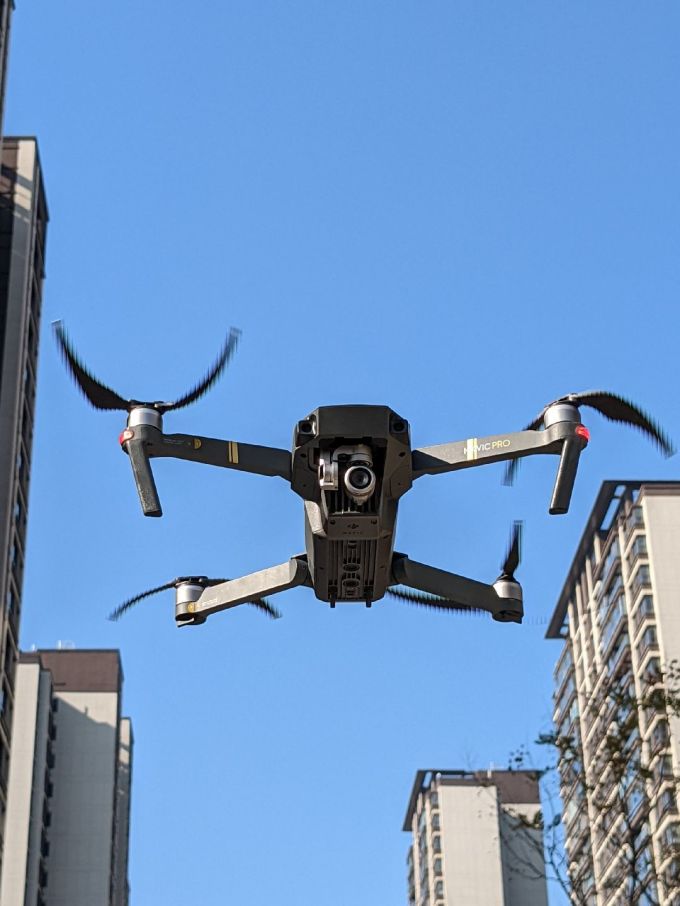
It was not solely the military that contributed to drone technology; private individuals and tech companies have played significant roles in shaping the drones we see today. The realization of drones for civilian use saw figures like R. E. Reis and commercial companies develop smaller and versatile UAVs for numerous applications ranging from photography to agriculture.
Today, drones are synonymous with innovation in fields such as logistics, surveying, and environmental monitoring, showcasing a shift from exclusive military utility to broad commercial and private usage.
FAQs and Insights
- Who is often credited with early drone ideas? Nikola Tesla is frequently acknowledged for his pioneering work with radio-controlled vehicles, setting foundational ideas for controlling machines remotely.
- Why is it difficult to pinpoint a single inventor? The complexity arises due to the combined efforts and multiple phases of innovation contributed by various entities and individuals over time, rather than a solitary invention moment.
- How has drone technology impacted society? Beyond military applications, drones have revolutionized photography, delivery services, mapping, and even recreational activities, proving essential in modern technological landscapes.
Thus, while the question “who invented the drone?” might remain without a definitive answer, the result of these collective innovations has undoubtedly crafted a transformative technology that continues to shape diverse industries globally.