Features of FPV Drones
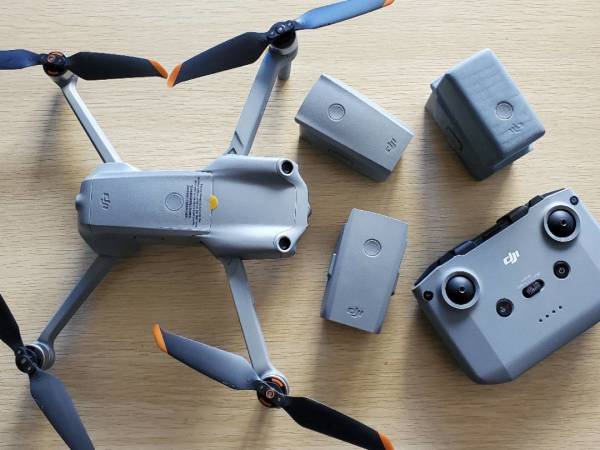 FPV drones have distinct features that set them apart from regular drones. One of the most notable is their ability to transmit real-time video footage directly to the pilot. This feature is facilitated through advanced camera systems and video transmission technologies designed to minimize lag and ensure smooth, high-quality streaming. FPV drones often come with adjustable cameras that can be tilted to provide better angles, enhancing the immersive experience. Many models also include high-speed capabilities, agile controls, and durable builds to withstand crashes and permit more daring maneuvers.
A key component of FPV drones is their customizable nature, appealing to enthusiasts who enjoy modifying and tinkering with their equipment. From upgrading motors to enhancing transmitters, FPV drones provide a playground for DIY tech fans. Customization is not just limited to hardware; software tuning can optimize performance, making each flight uniquely tailored to the operator’s preferences.
Applications Beyond Recreation
While FPV drones are immensely popular for recreational use and competitive racing, their applications extend far beyond personal enjoyment. FPV technology is increasingly adopted in various industries such as filmmaking, where dynamic aerial shots offer cinematic depth and perspective. Real estate professionals utilize FPV drones to capture sweeping, compelling property videos for marketing purposes. In agriculture, FPV drones can provide detailed farm land surveys, helping farmers make informed decisions about crop planting and management.
Additionally, FPV drones serve educational and research purposes, offering students in engineering a practical way to learn about aerodynamics, physics, and robotics. The potential for FPV drones to aid in disaster relief and search and rescue missions is being explored, given their ability to quickly survey and monitor large areas and provide real-time data to responders.
Components of FPV Drones
The main components of FPV drones include the quadcopter frame, motors, electronic speed controllers (ESC), flight controller, FPV camera, video transmitter, goggles or monitor, and batteries. Each component plays a critical role in the drone’s operation: the flight controller acts as the drone’s brain, coordinating signals that allow the drone to navigate accurately. The FPV camera captures live video, while the video transmitter sends this data to the goggles or monitor. High-performance motors and ESCs enable rapid movements and high-speed flights, essential for racing drones.
Frequently Asked Questions
What makes FPV drones different?
FPV drones provide a live first-person view, immersing the pilot in the flight experience, unlike conventional drones that are operated via a remote view.
Can beginners fly FPV drones?
While FPV drones can be challenging for beginners due to their need for quick reflexes and adept control, many starter kits and simulators can help novice pilots learn to fly safely.
Are FPV drones legal?
The legality of FPV drones varies by region, with regulations typically focusing on their use and restrictions. Checking local laws is crucial before flying FPV drones.
Overall, the world of FPV drones is rich with potential and excitement, combining cutting-edge technology with creative expression, professional applications, and competitive sports for an unmatched aerial adventure.