In the ever-evolving world of technology, drones have captured the imagination of many enthusiasts. A particularly exciting segment of this market is the FPV (First Person View) drones. But what is an FPV drone and why are they gaining popularity? To put it simply, FPV drones allow operators to experience flight from the drone’s perspective, as if they were onboard. This immersive experience is what sets FPV drones apart from traditional drones.
What Sets FPV Drones Apart?
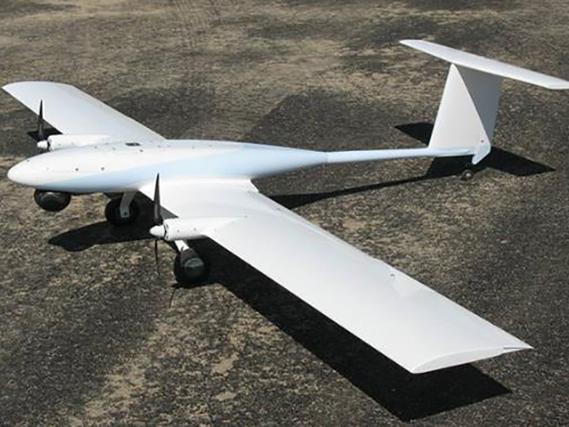
Unlike conventional drones, which are typically controlled using a remote with a visual feed on a screen, FPV drones offer a more thrilling experience. Users wear a headset that receives a live video feed from the drone’s camera, resembling the feeling of piloting the drone itself. This setup enhances not only the control but also the excitement, making FPV drones a favored choice for racing and freestyle flying.
Components of an FPV Drone
To truly understand FPV drones, one must recognize its key components. These typically include:
- Camera: Positioned at the front, the camera provides the real-time video feed. High-definition cameras are favored for clearer imagery.
- FPV Goggles: The headset or goggles that show the live video, offering an immersive flight experience.
- Transmitter and Receiver: Essential for transmitting control commands from the pilot to the drone and receiving video feedback.
- Flight Controller: The drone’s brain, managing its operations and stabilizing flight.
Uses and Applications of FPV Drones
Initially popular among hobbyists, FPV drones have evolved beyond recreational use. Their agility and camera capabilities have made them valuable in various fields.
Drone Racing
One of the exhilarating sports gaining traction is drone racing. Pilots navigate through challenging courses at high speeds, where precision and agility are key. The FPV setup allows for split-second maneuvers, enhancing the competitive edge of racing.
Freestyle Aerobatics
FPV drones provide an opportunity for pilots to showcase their creativity through intricate maneuvers and stunts, often shared on social media platforms. This artful expression requires significant skill and control, showcasing the pilot’s prowess.
Commercial Filmmaking and Photography
Thanks to their ability to capture unique aerial perspectives, FPV drones are increasingly used in filmmaking and photography. Their maneuverability allows cinematographers to achieve dynamic shots that traditional camera setups may not.
Getting Started with FPV Drones
For those interested in diving into the world of FPV, getting started can seem daunting, but it doesn’t have to be. Many resources and communities are dedicated to helping newcomers. Key steps include:
- Begin with research to understand various models and their features.
- Invest in quality FPV gear; entry-level options are available for beginners.
- Join FPV communities, either online or locally, to share experiences and learn from others.
With time and practice, piloting an FPV drone becomes second nature, opening doors to new and thrilling experiences.
FAQs About FPV Drones
What is the main difference between FPV drones and regular drones?
The main distinction lies in the user experience. Regular drones are often controlled via a remote with a screen display, whereas FPV drones offer a first-person view through goggles, giving the sensation of being onboard the aircraft.
Are FPV drones difficult to fly?
Flying an FPV drone can be challenging for beginners due to the need for precise control. However, with practice and patience, operators often find the experience rewarding and addictive.

Do I need a license to fly FPV drones?
Regulations vary by location. In some areas, hobby pilots may not require a license, but commercial use often demands registration and licensing. Always check local laws before flying.