For enthusiasts looking to build their own adventure in the sky, DIY drone kits offer an exciting opportunity. These kits, especially those equipped with Pixhawk flight controllers, are designed for both beginners and advanced users. Pixhawk is renowned for its flexibility and robustness, making it the cornerstone of many drone kits.
Benefits of a DIY Drone Kit with Pixhawk
Creating your own drone using a DIY kit provides numerous benefits. Firstly, it offers complete customization, allowing you to design a drone tailored to your specific needs, whether for photography, racing, or aerial mapping. Secondly, assembling your drone helps you understand its mechanics and electronics, which is invaluable when it comes to troubleshooting or upgrading later on.
The Pixhawk flight controller plays a crucial role here due to its open-source nature and compatibility with various sensors, GPS modules, and telemetry systems. This versatility is what makes Pixhawk a popular choice among hobbyists and developers alike, ensuring that your drone can evolve alongside your growing skills.
Steps to Build a DIY Drone Kit with Pixhawk
- Start by selecting the type of drone you wish to build: quadcopter, hexacopter, or octocopter. Your choice will influence the type of frame and power system you’ll need.
- Choose a Pixhawk flight controller. Ensure it’s compatible with the other components you have selected and provides the necessary ports for connectivity.
- Select the motors and propellers. Consider factors such as thrust, efficiency, and the size of your chosen frame.
- Integrate other essential components like the GPS, telemetry, and battery system. The Pixhawk controller supports a wide range of these devices, letting you customize your drone’s capabilities.
- Follow the assembly instructions in your kit carefully. While putting together your drone, pay attention to the connections between the Pixhawk and other components.
- Test and calibrate your drone using software tools that support Pixhawk, like QGroundControl or Mission Planner. Calibration is crucial to ensure stable flight and responsive control.
Advanced Options and Customization
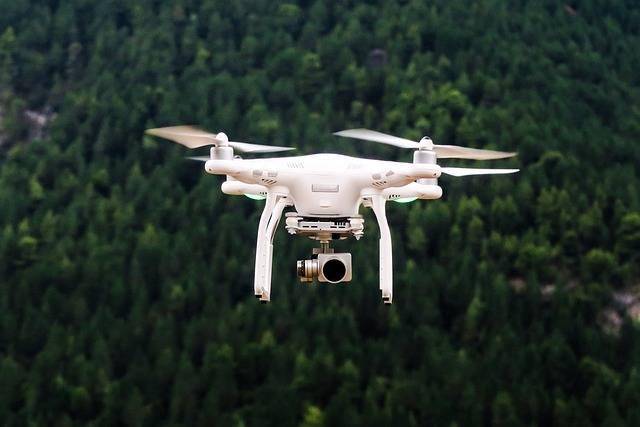
Once you’ve mastered the basics, delve into advanced customization. The Pixhawk ecosystem supports autonomous flight, obstacle avoidance, and real-time data collection—all possible through additional modules and peripherals.
Advanced users can even integrate machine learning algorithms for smarter navigation and operations, essentially turning your DIY kit into a cutting-edge research tool or business asset.
Challenges and Troubleshooting
While building a DIY drone can be incredibly rewarding, challenges are inevitable. Common issues such as connectivity errors or flight instability need diligent troubleshooting. Leveraging online communities and forums dedicated to drones can be a priceless resource.
Additionally, ensure firmware updates on the Pixhawk controller are installed regularly, as they contain critical bug fixes and new features that optimize your drone’s performance.
FAQs
Q: Can beginners successfully build a drone using a DIY kit with Pixhawk?
A: Absolutely! While it requires patience and careful attention to instructions, beginners can find success by starting with simple kits and progressively increasing complexity as they become more comfortable with the technology.
Q: What software is recommended for Pixhawk flight controllers?
A: Popular software includes QGroundControl and Mission Planner, both offering comprehensive support for drone calibration, mission planning, and autonomous flight controls.
Q: How can I upgrade my DIY drone kit?
A: Upgrading can be achieved through better sensors, enhanced GPS modules, and additional features like FPV cameras and transmission systems. Always ensure compatibility with the Pixhawk controller when considering component upgrades.