If you’ve recently purchased a drone or are considering buying one, understanding the process of registration with the Federal Aviation Administration (FAA) is crucial. Drones have become increasingly popular for both recreational and commercial purposes, but before you take to the skies, you need to comply with legal requirements.
Why Registering Your Drone is Important
Registering your drone with the FAA is a mandatory requirement in the United States for all unmanned aerial systems (UAS) weighing more than 0.55 pounds (250 grams). This legal process helps promote safety and accountability, ensuring that operators adhere to necessary guidelines designed to protect the airspace.
Step-by-Step Guide to FAA Drone Registration
The FAA has streamlined the registration process to make it as user-friendly as possible. Below are the steps you need to follow to register your drone:
- Determine Your Classification: The FAA divides drone uses into recreational and commercial categories. Identify your drone’s purpose to understand which regulations apply to you.
- Access the FAA Drone Zone:
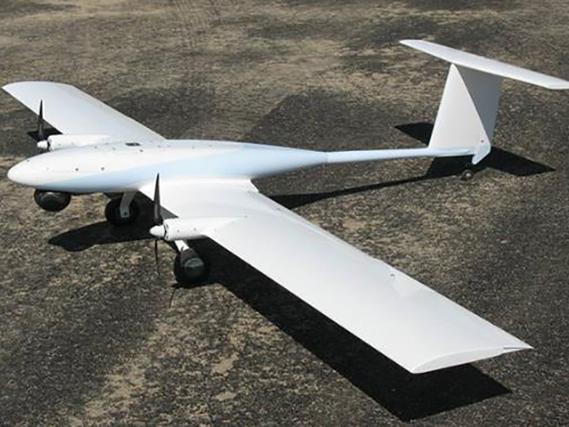 Start the registration process by visiting the official FAA Drone Zone website. Here, you’ll find all the necessary forms and information to proceed.
 - Provide Required Information: You’ll need details such as your name, physical address, and information about your drone, including its make, model, and serial number.
- Pay the Registration Fee: The registration fee is modest, typically around $5, and is valid for three years. Make sure to have a valid credit or debit card to complete this transaction.
- Label Your Drone: Once registered, the FAA will provide you with a registration number that you need to affix visibly onto your drone. This labeling is essential to easily identify your drone in case of any incidents.
- Review Your Obligations: After registration, familiarize yourself with the FAA’s rules and regulations. These include restrictions on flying near airports, over crowds, and beyond line-of-sight, among others.
Common Pitfalls to Avoid
While the process is straightforward, some common pitfalls include failing to renew registration, ignoring FAA updates on drone regulations, or neglecting to label the drone properly. Staying informed and adhering to guidelines is key to avoiding penalties.
Understanding FAA Regulations
The FAA regulations not only ensure safety but also cater to the growing interest and technology advancements in drone usage. As a drone operator, it’s essential to keep updated with the evolving rules to ensure compliance and safety.
For commercial operators, there’s an additional requirement to obtain a Part 107 certification, which covers operational limits, knowledge testing, and waivers. Achieving this certification furthers your ability to perform operations legally and safely.
Frequently Asked Questions
- Do I need to register a drone used for recreational purposes?
- Yes, regardless of the usage, if your drone weighs more than 0.55 pounds, it must be registered with the FAA.
- How long does my FAA drone registration last?
- The registration is valid for three years, after which you need to renew it to continue compliant operations.
- What happens if I don’t register my drone?
- Failure to register can result in fines and legal action. Moreover, it detracts from the credibility and accountability expected from responsible drone pilots.
By ensuring you register your drone with the FAA, you not only adhere to legal requirements but also contribute to the safe and orderly use of airspaces for everyone. Take the time to understand your obligations thoroughly, allowing yourself the freedom to fly without concern.