
Top Skills That Make a Successful Drone Pilot in 2024
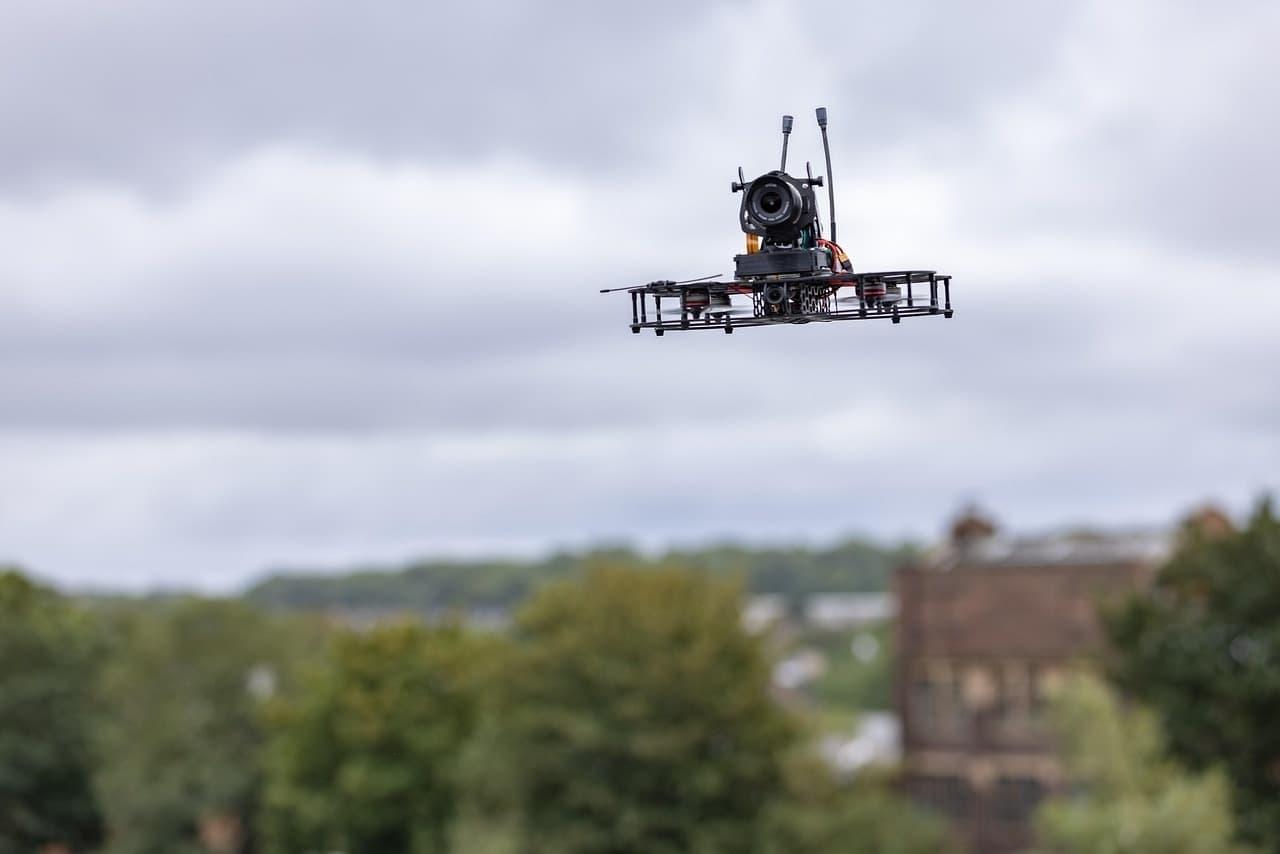
One of the foremost requirements for any drone pilot is flight proficiency. Becoming intimately familiar with your drone’s controls, mastering manual flight, and understanding the difference between automated versus manual modes is vital. Practice is key: Regularly log flight hours in varying conditions to enhance reaction speed and control sensitivity.
- Understanding aviation regulations: Drone pilots must stay updated on local airspace restrictions, registration requirements, and safety guidelines. Regulatory landscapes shift frequently, and ignorance may result in hefty fines or revoked licenses. Resources like the FAA’s Unmanned Aircraft Systems portal, or country-specific drone associations, should be revisited monthly for updates.
- Pre-flight planning: Detailed planning ahead of any drone operation will reduce error rates and improve outcomes. Map your flight path, check weather conditions, calibrate equipment, and always have a contingency plan for emergencies.
- Risk management: Safety must never be compromised. Skilled drone pilots anticipate risks such as signal loss, battery failure, or unplanned obstacles. Carry spare batteries, insurance documentation, and sharpen your problem-solving approach if unforeseen issues arise.
Mastering Advanced Drone Technology
As drone technology continues to progress, pilots must familiarize themselves with cutting-edge features. These include obstacle avoidance sensors, real-time video streaming, geo-fencing, and advanced GPS functionalities. Dive into your drone’s manual and seek online tutorials to become proficient.
Moreover, a cutting-edge drone pilot is usually adept at camera operation and aerial photography. Understanding the basics of exposure, shutter speed, and composition can set your portfolio apart. High-resolution imagery and crisp video not only wow clients but also serve for evidence and inspection in industries like construction, agriculture, and emergency services.
Hands-On Maintenance Skills
Maintaining your drone is just as important as good flight technique. Learn to troubleshoot common mechanical issues, clean sensors, replace propellers, and upgrade firmware. Such self-sufficiency minimizes downtime and enhances safety.
Increasingly, drone pilots with efficient data analysis skills stand out. Using specialized software, pilots can process aerial survey results, map terrain, or generate actionable insights for clients. GIS applications, photogrammetry, and thermal analysis are becoming indispensable tools in sectors like mining, agriculture, and civil engineering.
Effective Communication and Customer Service
For those pursuing commercial drone work, professional communication skills are crucial. Clear explanation of deliverables, addressing client concerns, and offering technical demonstrations reinforce your brand as a trustworthy drone pilot. Client retention and referrals often hinge as much on your interpersonal abilities as technical prowess.
The best drone pilots are always learning. Whether it’s staying abreast of regulatory changes, new drone models, software advances, or operational best practices, ongoing education is central to keeping your skills sharp. Engage with drone communities, enroll in certified courses, and consider hands-on workshops for specialized sectors such as cinematography or agricultural inspection.
Optimizing Flight for SEO and Online Presence
A growing number of drone pilots offer services online, making digital marketing and SEO knowledge a valuable asset. Craft informative, keyword-rich profiles (like “licensed drone pilot in [your city]”), share video portfolios on social platforms, and leverage testimonials to rank higher in local searches. This modern skill set ensures your visibility and enhances career prospects.
Investing in insurance and keeping impeccable records of your flights is more important than ever. Not only does this protect you and your clients, but it demonstrates professionalism and can aid retrieval in case of disputes or accidents.
Sectors Where Drone Pilots Thrive
- Agriculture: Surveying crops, monitoring yields, and assessing soil health.
- Construction and Real Estate: Site inspection, mapping, marketing footage.
- Media and Entertainment: Capturing dynamic aerial shots for films, events, and marketing content.
- Emergency Response: Search and rescue, disaster assessment, and delivery of critical supplies.
- Environmental Monitoring: Wildlife tracking, forest fire analysis, and conservation efforts.
By cultivating these skills, drone pilots can expertly tailor their profiles and services to specific industries, gaining a competitive edge.
How to Start Your Career As a Drone Pilot
If you’re looking to enter the profession, begin by securing all required licenses and clearances. Invest in a reliable drone suited to your niche, and begin training in open areas with minimal risk. Network with fellow pilots, seek out local drone clubs, and showcase your work online to accelerate growth.
Learning to interpret weather patterns and environmental hazards is a critical skill for modern pilots. Use smartphone apps or dedicated aviation tools to forecast weather and avoid unsafe flying conditions. This reduces downtime and ensures client satisfaction.
Frequently Asked Questions
- What qualifications do I need to become a licensed drone pilot?
- Most countries require passing a formal exam and registering your drone with aviation authorities. For commercial operations, added certifications may be necessary.
- How important is technical knowledge compared to flight experience?
- Both are essential. Technical proficiency helps you troubleshoot and maintain your drone, while hands-on flight experience ensures effective, safe operation in varying conditions.
- Can a drone pilot specialize by industry?
- Absolutely! Many drone pilots focus on sectors like real estate, agriculture, cinematography, or public safety, allowing them to develop niche expertise and higher-value offerings.
In summary, mastering a diverse set of skills is the cornerstone of becoming a standout drone pilot in 2024. Prioritize continuous learning, invest in technology, and never underestimate the value of well-rounded communication skills to elevate your career.