Building custom drones opens up a fascinating world where technology meets creativity. Whether you’re an experienced hobbyist or a curious newcomer, DIY drones offer an opportunity to explore, innovate, and learn. This comprehensive guide will delve into the captivating realm of drone customization, providing insights and practical tips to enhance your experience.
Understanding DIY Drones
DIY drones, short for “do-it-yourself drones”, allow enthusiasts to design and construct their devices from scratch. Unlike ready-made drones, DIY options give users the freedom to select components and tailor specs to match specific needs and desires. This can range from boosting flight time to including advanced camera systems. Assembling a drone can be both challenging and rewarding, offering insights into electronics and aerodynamics.
Essential Components of DIY Drones
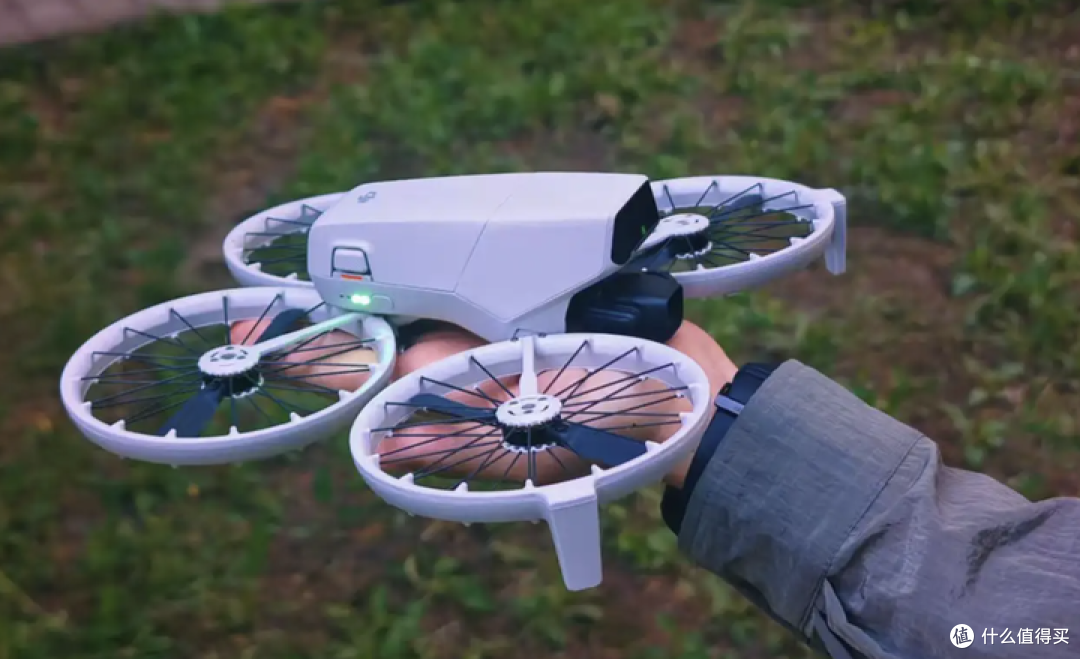 An understanding of the core components is crucial for anyone looking to build a drone. Key elements include:
- Frame: The skeleton of the drone, typically made from lightweight materials such as carbon fiber or plastic. It needs to be durable enough to withstand crashes but light enough to fly efficiently.
- Motor: Vital for propelling the drone, motors must be chosen based on the drone’s size and intended use.
- Propellers: These convert motor power into lift, affecting speed and stability.
- Electronic Speed Controllers (ESC): Regulate the speed of the motors, impacting acceleration and deceleration.
- Flight Controller: Acts as the drone’s brain, processing data and sending commands to the motors.
- Battery: The power source, which needs to offer a balance between capacity, weight, and size.
- Camera: Optional but popular, especially for aerial photography or FPV (first-person view) flying.
With these components, hobbyists can customize drones to cater to specific applications. For instance, racing drones prioritize speed and agility, while photography drones focus on stability and camera quality.
Steps to Building Your DIY Drone
Constructing a drone from scratch requires patience and precision.
- Research: Start by gathering information on the type of drone you’d like to build. Consider factors like size, weight, purpose, and budget.
- Design & Plan: Create a blueprint or sketch of your drone, factoring in the placement of components and wiring.
- Collect Components: Purchase necessary parts from reputable suppliers—ensure compatibility and quality.
- Assemble: Begin with the frame and gradually add motors, ESCs, and the flight controller. Secure components and ensure proper wiring.
- Test: Before flying, conduct ground tests to confirm structural integrity, component functionality, and signal connectivity. This is crucial to avoid mid-air failures.
- Fly: Once tests are successful, it’s time to launch and enjoy your creation!
Enhancing Your DIY Drone Experience
DIY drones thrive on upgrades and modifications. Here are ways to enhance your build:
- Improve Stability: Invest in higher-quality propellers and advanced flight controllers for smoother navigation.
- Boost Performance: Larger batteries can increase flight time while upgrading your motors can enhance speed.
- Add Features: Integrate GPS tracking for more precise flights or customize LED lights for visibility and aesthetics.
Common Challenges and Troubleshooting
Building from scratch can present challenges like connectivity issues, motor failures, or unstable flights. To troubleshoot:
- Check connections and calibrate equipment regularly.
- Use forums and online communities for advice and support.
- Experiment with settings to find optimal configurations.
It’s important to remain patient and view each problem as a learning experience.
FAQs
What tools do I need to build a DIY drone?
Basic tools include a soldering iron, screwdrivers, pliers, and wire cutters. Advanced projects might need a multimeter and a drone test bench.
Can I make a drone without electronic knowledge?
While having electronic knowledge helps, many resources cater to beginners, providing step-by-step guides and kits that simplify the process.
Where can I find parts for my DIY drone?
Drone components are available from specialized hobby shops and online platforms like Amazon, Banggood, and eBay.
Building custom drones is a rewarding endeavor that pushes boundaries and educates. From understanding basic components to troubleshooting issues, the journey is rich with learning and satisfaction. By embracing DIY drone projects, enthusiasts unlock potential for innovation and creativity.