The evolution of drones is a fascinating journey that combines technological innovation with visionary insights. But who invented the drone, and how did it transform from an idea to the advanced unmanned aerial vehicles (UAVs) we know today? The story of drones involves several key figures and critical technological breakthroughs over the decades.
Early Beginnings
In the earliest days of drone development, the term “drone” was not yet in use. In the years following World War I, the concept of unmanned aircraft systems first emerged. British engineer Archibald Low is often credited with developing the first remote-controlled aircraft, known as the “Aerial Target,” in 1916. This innovation laid the groundwork for future UAV developments.
In the years that followed, the U.S. military began experimenting with radio-controlled aircraft as target practice for gunners. An important milestone was the development of the “Radioplane OQ-2,” the first mass-produced drone in the United States during World War II, initially designed by actor and inventor Reginald Denny. This invention marked a crucial step toward the modern drone technology we use today.
The Modern Drone Era
Fast forward to the latter half of the 20th century, and we encounter figures like Abraham Karem, often touted as the “father of UAV technology.” Karem’s work in the 1970s and 1980s significantly advanced UAV capabilities with the development of the Amber and GNAT 750, leading to more sophisticated drones adopted by militaries around the world.
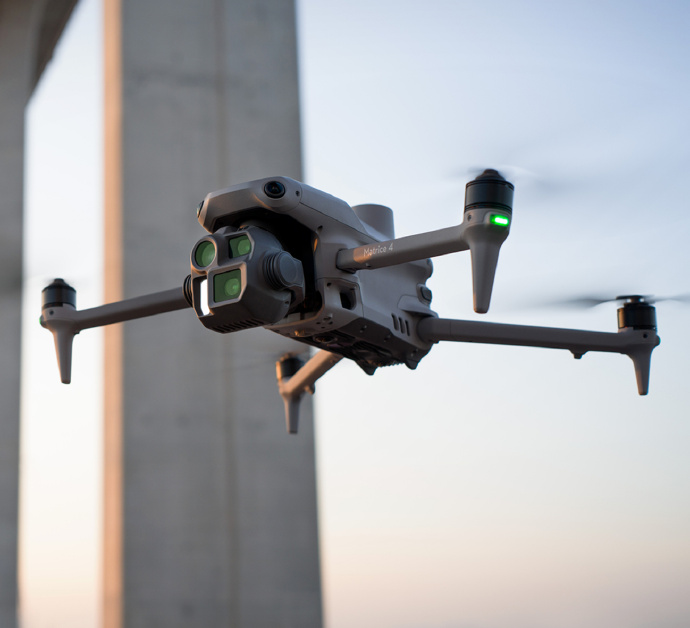
By the early 21st century, drones had diversified far beyond military applications. Advances in GPS and camera technology sparked the commercial and recreational drone industry, leading to widely known models like the DJI Phantom series. Today, drones are used in photography, agriculture, delivery services, and even emergency response.
The Impact of Drones on Society
The societal impact of drones cannot be overstated. Businesses leverage drones for efficiency and cost savings, and industries like construction and real estate employ them for improved visualization and surveying. The rise of personal drones has sparked a new wave of creativity, allowing filmmakers and hobbyists to capture stunning aerial footage previously inaccessible to the average person.
Conversely, privacy and safety concerns have emerged alongside the proliferation of drones. As the technology becomes more accessible, debates surrounding airspace regulations, privacy rights, and ethical use continue to evolve. Governments worldwide are continuously adapting their legislation to balance innovation with individual rights.
Who Invented Drone Technology?
While no single person can be credited with inventing drones, the collaborative efforts of engineers like Archibald Low, Reginald Denny, and Abraham Karem have been instrumental in their development. Each of these pioneers contributed uniquely to the evolution of drones, influencing both the military and commercial landscapes.
FAQs About Drones
1. How have drones changed over time? Drones have evolved from basic radio-controlled aircraft used for military target practice to sophisticated machines with numerous applications, including commercial delivery and personal recreation.
2. What industries benefit the most from drone technology? Industries such as agriculture, construction, real estate, filmmaking, and emergency response benefit significantly from drone technology. Drones provide aerial insights, enhance cost-efficiency, and offer innovative solutions to traditional challenges.
3. Are there legal restrictions on drone usage? Yes, drone usage is subject to legal regulations, which vary by country. Most nations have guidelines regarding drone registration, airspace rights, and operational limitations to ensure safety and privacy.