Advancements in Drone Power Technology: Embracing Solid State Batteries
With the ever-growing use of drones across various industries, from cinematography to agriculture, the need for efficient, long-lasting power sources is paramount. Solid state batteries are quickly emerging as a revolutionary solution, providing numerous advantages over traditional lithium-ion batteries commonly used in drones today.
Unlike conventional batteries, solid state batteries utilize a solid electrolyte which offers substantial improvements in both safety and energy density. This improvement translates to longer flight times and greater operational reliability, attributes that are highly desirable in drone applications.
The Energy Density Advantage
One of the critical enhancements offered by solid state batteries is their increased energy density. This means that for the same size or weight, solid state batteries can store more energy compared to their lithium-ion counterparts. This advantage fuels the potential for extended flight duration and increased load capacity, opening new possibilities for drone missions that require longer airborne periods or heavier payloads.
Safety Features in Solid State Battery Design
The increased safety profile of solid state batteries is another compelling reason for their adoption in drone technology. Traditional lithium-ion batteries pose risks of overheating and even explosions due to liquid electrolyte leaks. Solid state batteries, with their solid electrolytes, significantly mitigate these risks, providing a safer alternative for drone technology where safety cannot be compromised.
Temperature Resilience and Performance Consistency
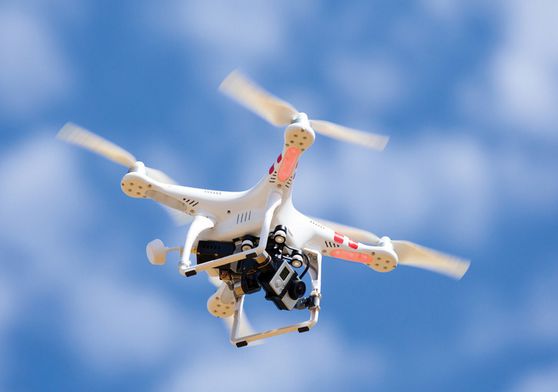
Solid state batteries also demonstrate superior performance in various environmental conditions, a critical factor for drones operating in diverse climates. They are capable of maintaining high efficiency both at low and high temperatures, thus ensuring that drones continue to perform optimally regardless of weather conditions.
Challenges and Future Prospects
While solid state batteries present significant benefits, challenges remain. Production costs are currently higher than those of lithium-ion batteries, making wide-scale adoption a gradual process. Nevertheless, ongoing research and innovations in material science are expected to reduce costs and enhance performance further.
The future of drone technology will likely be marked by solid state battery innovations, facilitating unprecedented advancements in drone capabilities.