DJI drones have revolutionized the way we capture stunning aerial footage, but what if your drone won’t fly? If you’ve encountered issues related to LAANC (Low Altitude Authorization and Notification Capability), this article will deep-dive into the problem and provide actionable solutions. Let’s explore why your DJI drone might not take off and how to fix the issue effectively.
Understanding LAANC and Its Importance
The LAANC system enables professional and recreational pilots to request and receive real-time airspace authorizations in controlled airspaces near airports. This is pivotal as failing to comply with such requirements can result in your DJI drone refusing to take off. DJI integrates this into their drones to support safer skies, but sometimes technical or user-centric issues can arise.
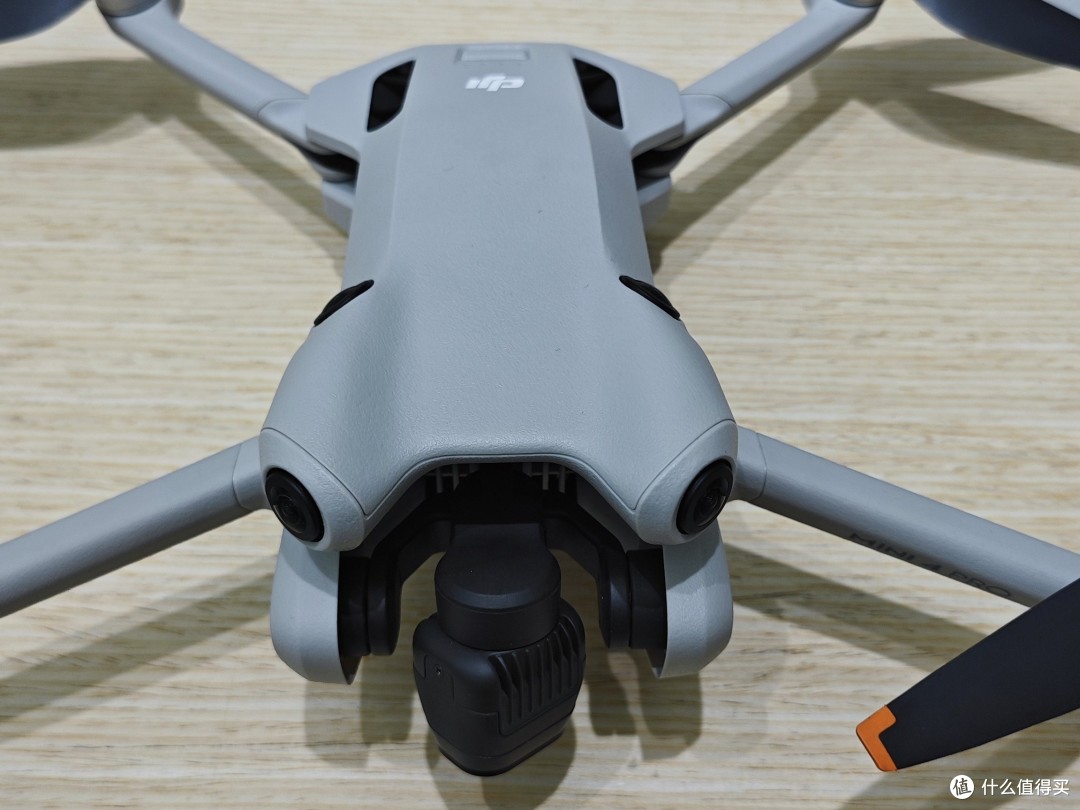
Why Won’t Your DJI Drone Fly in LAANC-controlled Airspace?
One of the most common reasons your drone won’t lift off in an area requiring LAANC authorization is an incomplete or denied airspace request. Modern DJI drones use geofencing, which restricts flights in zones without proper permits.
- Geofencing Impact: DJI drones detect and respond to airspace restrictions using GPS. This advanced feature is designed to comply with aviation laws and enhance safety.
- Authorization Approval Lag: Sometimes, the LAANC system may experience delays or technical glitches, leaving your approval pending longer than expected.
- User Errors: Entering incorrect flight details or operating near hazardous zones can also lead to a rejected LAANC request.
Resolving DJI Drone Flight Authorization Problems
Follow these steps to ensure your drone takes off with ease:
1. Double-Check Your LAANC Authorization: Always ensure that your LAANC request status reads “approved” before launching. Use approved apps like Aloft or AirMap.
2. Firmware Update: Keep your DJI drone firmware updated. DJI releases periodic geofencing database updates, and older versions may cause avoidable conflicts.
3. Ensure Flight Mode: Verify whether your flight settings are correctly established for manual or programmed flights.
4. Check GPS Lock: LAANC operates based on your exact geolocation. Ensure your drone has a good GPS signal before initiating flights.
Tip: If you face continuous rejections, move to a nearby unrestricted zone outside LAANC-controlled areas to test whether your drone functions normally.
Does DJI Have LAANC-Specific Features?
Yes, DJI integrates airspace avoidance technology by updating its geofencing system regularly. Notifications appear in the DJI Fly app warning users of potential restrictions. These features, however, necessitate the responsibility of reviewing regulations and requesting permits timely.
Preventing Future LAANC Problems: Best Practices
Stay ahead of DJI drone-related challenges using these tips:
- Always check controlled airspace maps pre-flight. The FAA’s B4UFLY mobile application is a useful tool to confirm your location permissions.
- Submit your LAANC requests at least 10 minutes in advance of any flight to avoid system backlogs.
- Maintain a consistent practice of checking app notifications and updates. Ignoring pending system alerts could contribute to flight disruptions.
Investing time in understanding area restrictions contributes majorly to smooth, uninterrupted flight experiences with your DJI drone. Knowing when you’re entering controlled airspace is crucial to staying compliant and enjoying stress-free operations.
FAQs About DJI Drones and LAANC
- How can I confirm my LAANC authorization? Log in to your preferred LAANC-authorized app, like AIRMAP, and review the approval status of your requests.
- What if my LAANC request is continuously rejected? Double-check flight details, firmware updates, and ensure you’re adhering to all airspace guidelines.
- Can I override DJI geofencing? DJI allows Custom Unlocks for professional pilots, but legitimate permits must be obtained before requesting a geofencing override.
By understanding LAANC and addressing related issues, you can ensure your DJI drone won’t be grounded unexpectedly, allowing your flights to remain impactful, efficient, and stress-free.