The growing prevalence of drones in our skies has raised an important question among property owners and concerned citizens: can you legally shoot down a drone if it invades your privacy or trespasses into your airspace? This is not just a technological question, but one deeply entangled with legal nuances, ethical considerations, and practical implications. Understanding the legality and potential consequences of such actions is crucial before taking any steps.
The Legality of Shooting Down a Drone
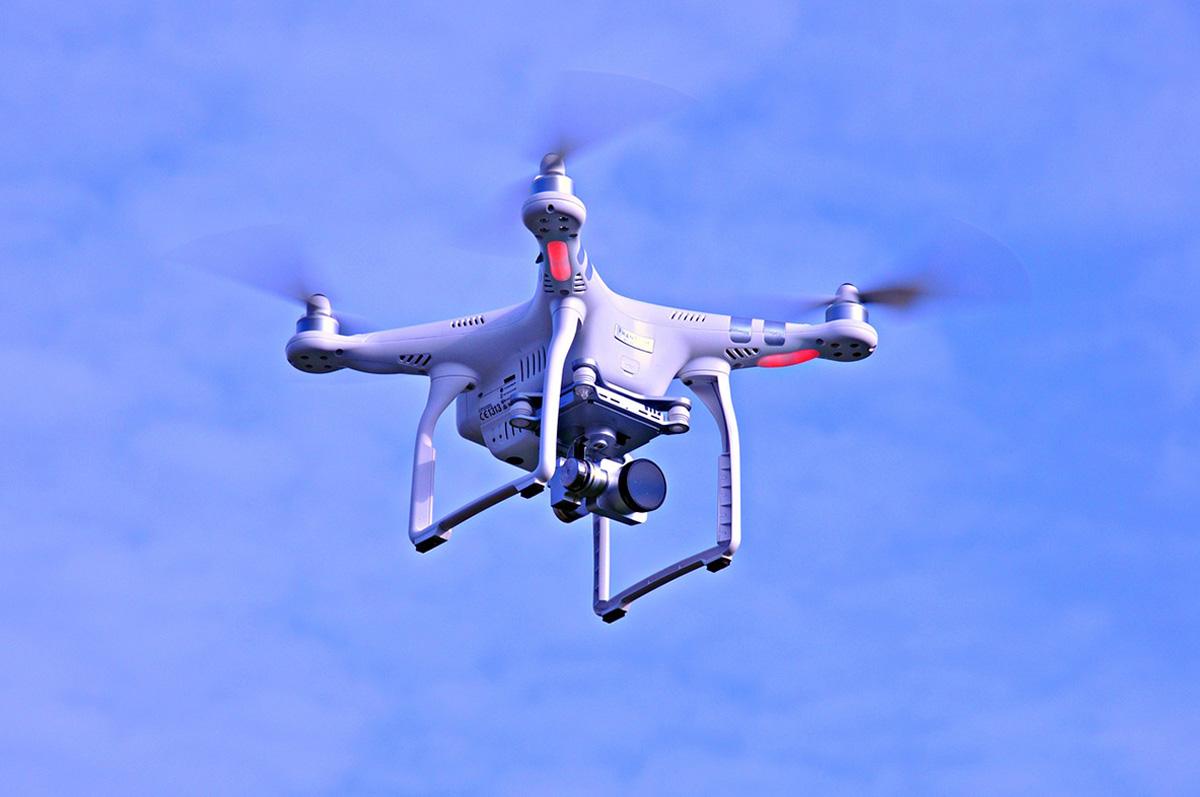
From a legal perspective, drones are classified as aircraft under the Federal Aviation Administration (FAA) regulations in the United States. This means that destroying or tampering with a drone can be equated with interfering with an aircraft, which is a federal crime under 18 U.S.C. § 32. Whether the drone is flying above your property or not, it is protected under these regulations. Shooting down a drone, therefore, not only puts you at risk of federal penalties but also potential lawsuits from the drone operator for property damage.
State-Specific Laws
While federal laws are overriding, some states have also addressed issues surrounding drone usage. For example, certain states have privacy laws that allow homeowners to file complaints if they feel their privacy is being violated by a hovering drone. However, no state explicitly permits private citizens to shoot down drones without facing legal consequences. Instead, local enforcement agencies are the proper authorities to address issues with nuisance drones.
Ethical and Safety Considerations
Beyond legalities, shooting down drones also raises safety concerns. If you fire a weapon or use another method to disable a drone, there are risks of accidental harm to others and property damage. Moreover, the act of shooting into the air itself can be dangerous, as bullets eventually fall back to the ground. From an ethical standpoint, such an aggressive response might also escalate conflicts with the drone operator, especially if the operator’s intentions were not malicious.
What Counts as “Trespassing”?
Understanding airspace ownership is important when discussing drones. As a property owner, you generally have the right to use the airspace above your property, but this right doesn’t typically extend indefinitely upwards. Generally, usable airspace is limited to what you need for ordinary use and enjoyment of your land, which doesn’t typically include the higher altitudes that drones might occupy. This makes the determination of a drone “trespassing” rather complicated, and often something that requires legal mediation rather than direct actions by the property owner.
Practical Advice for Dealing with Drones
- Document the Incident: Take videos or photos of the drone in your airspace. This evidence could help you in lodging formal complaints.
- Contact Local Authorities: Rather than taking action into your hands, call law enforcement to address your concerns about the drone activity.
- Use Technology: Anti-drone technology, like signal jammers or net-firing guns, is non-lethal and legal alternatives in some jurisdictions. Make sure to check whether these methods are permitted in your locality.
- Consult an Attorney: If you feel a drone is threatening your privacy or safety, consulting a legal expert can guide you on permissible actions.
Alternatives to Shooting Down Drones
Rather than resorting to potentially unlawful actions, consider peaceful solutions such as talking with the drone operator, especially if you can identify them. Community efforts to establish no-fly zones in residential areas can also provide long-term solutions to this growing issue.
FAQs
1. Can law enforcement shoot down drones?
Yes, under certain circumstances, local, state, and federal law enforcement agencies might have the authority to disable drones, but this depends on the situation and jurisdiction.
2. What should I do if a drone is repeatedly flying over my property?
Document the occurrences, gather evidence, and notify your local law enforcement agency. Filing a complaint with the FAA might also be a viable step.
3. Are there specific tools available to prevent drones from flying over my property?
Some anti-drone tools, like signal disruptors, are available, but their legality varies depending on your location. Always verify local laws before using such methods.