The landscape of aerial technology has transformed dramatically over the past decade, opening myriad opportunities for commercial enterprises. Whether you’re interested in photography, agriculture, real estate, or public safety, a commercial drone license is a crucial credential to have. Understanding the process and requirements for obtaining this license can unlock potential career avenues and help you use drones effectively and legally.
Why a Commercial Drone License Matters
With drones becoming increasingly commonplace in various industries, the importance of holding a commercial drone license cannot be overstated. The Federal Aviation Administration (FAA) mandates that anyone flying a drone for commercial purposes must be certified. This certification ensures that pilots understand safety protocols, airspace rules, and the operational aspects of drone usage.
Eligibility and Preparation
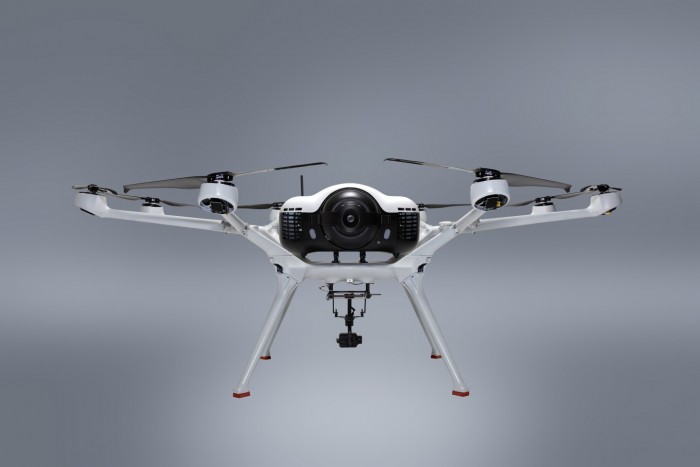
Before applying for a commercial drone license, ensure you meet the eligibility criteria set by the FAA. Applicants must be at least 16 years old and need to pass the Aeronautical Knowledge Test, which covers essential topics such as weather patterns, drone maintenance, airspace classifications, and federal regulations.
Preparation is key to acing the Aeronautical Knowledge Test. Numerous online resources, study guides, and training courses are available to assist applicants. Investing time in thorough preparation will not only help in passing the test but will also enhance your competence and confidence in drone operations.
Steps to Obtain Your License
- Review the FAA’s guidelines on their official website for comprehensive insights.
- Register for the Aeronautical Knowledge Test at an approved testing center.
- Prepare using FAA resources, online courses, and study guides.
- Pass the test to receive certification.
- Complete Form 8710-13 for a remote pilot certificate. This involves vetting background checks and verifying your test results.
Once certified, keep in mind the renewal requirements for maintaining the validity of your license. You must complete a recurrent training every two years, which ensures that your knowledge stays current with evolving regulations and technological advancements.
How a Commercial Drone License Amplifies Business Potential
The commercial drone license isn’t just a legal formality; it’s a gateway to enhancing your business potential. With this license, you can explore diverse applications such as aerial photography for marketing, precision agriculture for crop monitoring, infrastructure inspections for preventive maintenance, and even support in emergency response scenarios.
Moreover, with a commercial drone license, you can assure clients and collaborators of your adherence to safety and operational standards, thus establishing credibility and trust. This can tremendously boost client satisfaction and business growth.
FAQs About Commercial Drone License
Q: How long does it take to obtain a commercial drone license?
A: Typically, the process can take several weeks, factoring in test preparation, scheduling, and the verification process. Timing might vary based on personal preparation and administrative aspects.
Q: Do I need a license for recreational drone flying?
A: No, a commercial drone license is strictly for commercial operations. Recreational flying is subject to different regulations and does not require this specific license.
Q: Can I lose my commercial drone license?
A: Yes, non-compliance with FAA regulations or unsafe practices can lead to suspension or revocation of your license, emphasizing the need for diligence and adherence to guidelines.
In conclusion, obtaining a commercial drone license is pivotal for those looking to leverage the power of drones in various commercial settings. Through understanding the process and actively preparing, drone operators can maximize their potential and contribute significantly to their chosen industry, whether it’s enhancing marketing strategies or improving operational efficiency.