For those interested in flying a drone, understanding licensing requirements is crucial. Whether you’re a hobbyist or you plan to use drones for commercial purposes, you must be aware of the rules regulated by aviation authorities.
Drone Licensing Basics
The question ‘do you need a license to fly a drone?’ depends on how you plan to use the drone. In many countries, including the United States, hobbyist drone pilots don’t need a formal license but must still follow regulations. Commercial operators, however, are required to obtain a Remote Pilot Certificate. This certificate is issued by the Federal Aviation Administration (FAA) after passing the Aeronautical Knowledge Test.
Commercial vs Recreational Use
When flying a drone for recreational purposes, some basic rules must be followed. These include flying below 400 feet, keeping the drone within visual line-of-sight, and avoiding restricted airspace. While a formal license might not be necessary, registration with aviation authorities is often required.
For commercial drone operations, more stringent regulations are in place. The FAA mandates that pilots operating a drone for business purposes must have a Remote Pilot Certificate. This requirement ensures that drone operators understand airspace classification, flight restrictions, and safety measures.
Why Licensing Is Important
Licensing demonstrates your understanding of safety protocols and regulatory restrictions. It legitimizes commercial operations and helps avoid legal issues. Regulators enforce these rules to prevent airspace congestion and ensure public safety. Licensed pilots can also obtain professional indemnity insurance, which adds an extra layer of protection.
Steps to Obtain a Drone License
Getting a drone license involves clear steps. First, ensure you meet the age requirement, typically 16 years and older. You must pass an aeronautical knowledge test, which covers topics like weather, drone regulations, and emergency procedures. Preparing involves study material offered by the FAA. After passing the test, you complete a background check before receiving your Remote Pilot Certificate.
– Navigating the licensing process can seem daunting, but it is structured to ensure comprehensive knowledge and safety preparedness for all drone pilots –
Drone Safety and Compliance
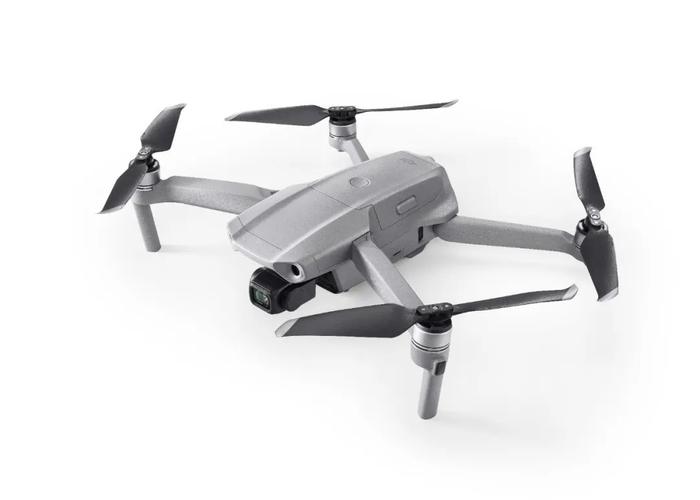
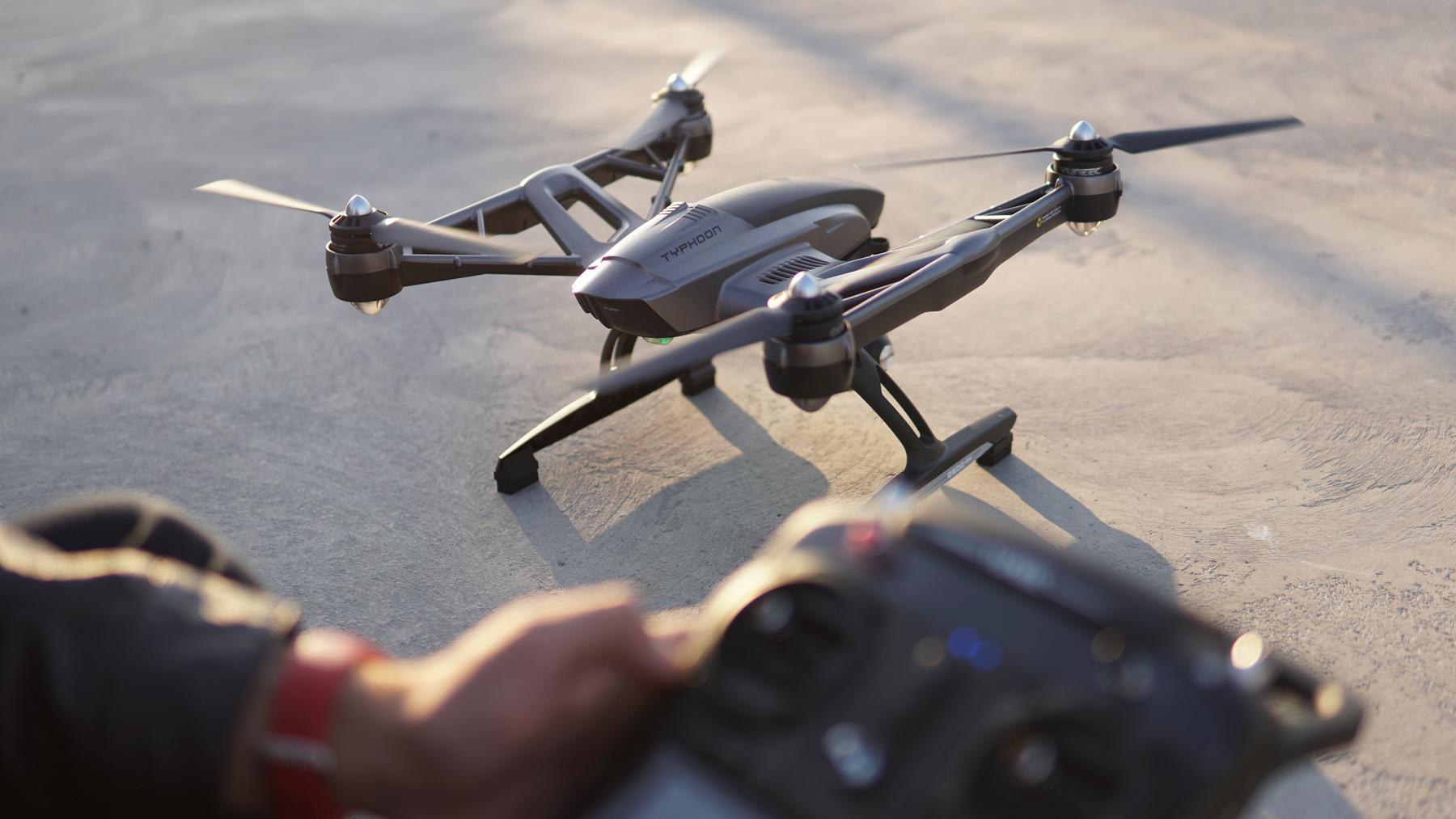
Beyond licensing, drone users must always prioritize safety. This includes pre-flight checks, understanding weather conditions, and maintaining your drone. Compliance with local regulations avoids potential fines and helps foster a safe flying environment.
- Ensure your drone is registered.
- Always keep your drone within sight.
- Respect airspace rules.
Frequently Asked Questions
What is the minimum age requirement for a drone license?
Most countries require you to be at least 16 years old to obtain a commercial drone license.
Can I fly a drone anywhere without a license if it’s for fun?
No, you must still follow recreational flying guidelines, which may include environmental considerations and airspace restrictions.