Embarking on the journey to construct your own drone is not just a thrilling adventure but also an excellent way to master the art of aviation. In today’s world, drones are becoming increasingly important for various applications, from photography to surveying. So, where do you begin if you want to build your own drone? Let’s delve into the essential steps and considerations.
Getting Started with Your DIY Drone
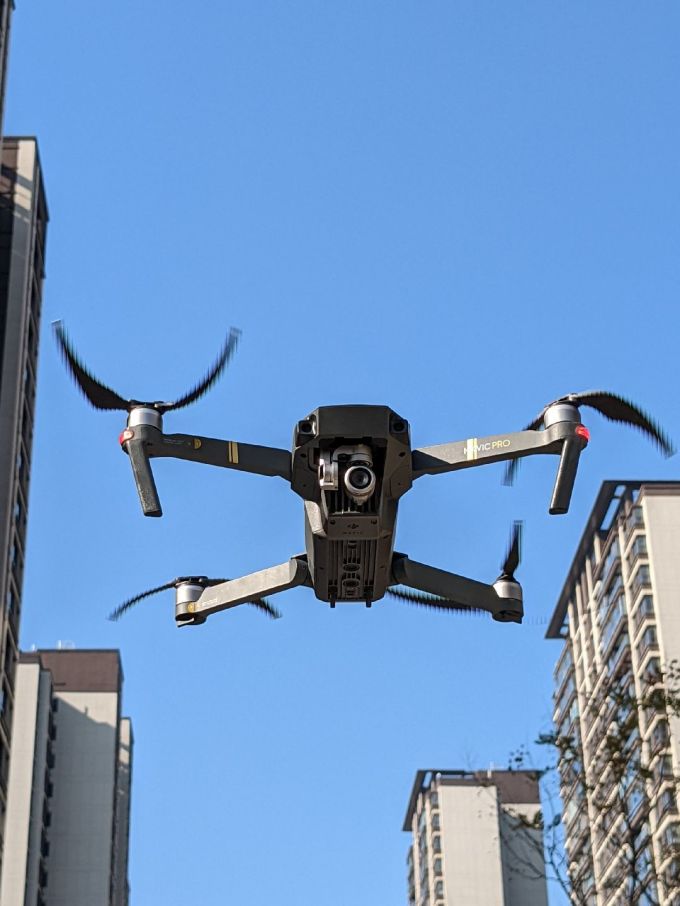 To start off, it’s important to understand the basic components that make up a drone. You’ll need a frame, motors, electronic speed controllers (ESC), a flight controller, propellers, batteries, and a remote controller. Each of these components plays a critical role in your drone’s functionality. For instance, the flight controller is the brain of your drone, managing its overall movements and stability.
Choosing the Right Frame
The frame is the backbone of your drone. Selecting the right material is crucial as it affects the drone’s weight and durability. Carbon fiber is a popular choice due to its lightweight and sturdy nature. Ensure that the frame size suits the type of activities you plan to perform with your drone; smaller frames are more agile while larger ones can carry heavier payloads.
Motors and Propellers
The choice of motors and propellers significantly impacts your drone’s flight capabilities. Brushless motors are recommended for their efficiency and power. Propeller size should match motor specifications to optimize the performance. The combination determines lifting capacity and affects speed and maneuverability.
Electronic Speed Controllers (ESC)
ESCs are vital as they control the motors’ speed and direction based on commands from the flight controller. Ensure they are compatible with your chosen motors to prevent malfunction.
Flight Controller
The flight controller is the central component that communicates with the remote control to ensure seamless operation. Popular brands include DJI NAZA and Ardupilot. They vary in features such as GPS, telemetry, and additional sensors, which may be beneficial depending on the complexity of your tasks.
Batteries and Power Management
The choice of batteries affects flight duration and overall performance. Lithium-Polymer (LiPo) batteries are commonly used for their high energy density and discharge rates. Invest in a good power management system to monitor battery life and prevent over-discharge, which can damage the battery.
Remote Controller
Choose a remote controller that feels comfortable and offers precise controls for intricate flight maneuvers. Options vary from basic to sophisticated models with extensive features.
Drone Assembly
Once all components are gathered, the exciting part of assembling begins. Follow instructions carefully and ensure all connections are secure. One common pitfall is confusing wiring; labeling and planning will prevent this.
Testing and Calibration
After assembling your drone, testing is crucial. Calibrate your flight controller and ESCs, checking all motors, sensors, and the remote control. Safe environments like open fields are ideal for initial tests. A well-calibrated drone ensures optimal flight performance and minimizes accidents.
Advanced Features
Once you master basic drone building, you might explore adding advanced features such as FPV cameras for immersive flight experiences, autonomous flight modes, or enhanced sensors. These add-ons can transform your drone into a sophisticated machine tailored for specific applications like aerial surveys or creative photography.
FAQ
- Why build your own drone?
- Building your own drone provides knowledge of its inner workings, allowing for customizations based on personal needs. Moreover, it often results in cost savings compared to purchasing a ready-made model.
- How long does it take to build a drone?
- For beginners, the process can take several weeks, considering component acquisition and learning. Experienced builders might complete a basic model in a few days.
- Is it necessary to have programming skills?
- Basic programming knowledge can be beneficial, particularly when setting up advanced flight controllers. However, many kits offer user-friendly interfaces suitable for those without programming skills.
Embarking on crafting your own drone is a fulfilling journey that combines technical skill with creative exploration. By considering all the components carefully and being open to learning, you can master the art of aviation with confidence.