Drones have become increasingly popular in recent years, offering a multitude of purposes ranging from recreational photography to commercial applications. But before launching your drone into the sky, a critical question arises: can you fly a drone over private property? This is an important topic that needs careful consideration, especially as drone technology continues to evolve and regulations surrounding its use become more stringent.
Understanding Airspace Ownership and Property Rights
Most people assume that owning a piece of land also means owning the skies above it. However, airspace ownership is not as straightforward as it seems. According to the Federal Aviation Administration (FAA) in the United States, they have jurisdiction over the National Airspace System. This means that while property owners have certain rights to the immediate airspace above their land, higher altitudes are governed by the FAA.
Immediate Airspace: This generally refers to the airspace directly over a property, which owners may have limited control over. Its boundary is not explicitly defined in most cases but is usually considered to be the space where the property owner can reasonably enjoy their property without interference.
Drone Regulations and Privacy Concerns
The FAA has established specific guidelines for drone operation, including restrictions on where and how high drones can fly. However, these guidelines don’t always address detailed privacy issues. This is where state and local laws come into play. Many jurisdictions have enacted laws to protect individuals from drones invading their privacy, which could escalate to legal issues if not adhered to.
For instance, flying your drone low over someone’s backyard might constitute trespassing or invasion of privacy, depending on the circumstances and local regulations. Therefore, always ensure you’re familiar with both FAA guidelines and state or local laws before flying.
The Role of Consent in Flying Over Private Property
One way to avoid legal complications is to ensure you have the property owner’s consent before flying over their land. Obtaining permission not only clears potential legal hurdles but also fosters goodwill and understanding between neighbors or community members. If someone suspects a drone is spying or recording them without permission, they might take legal action, so proactive communication is key.
What Happens If You Fly Without Permission?
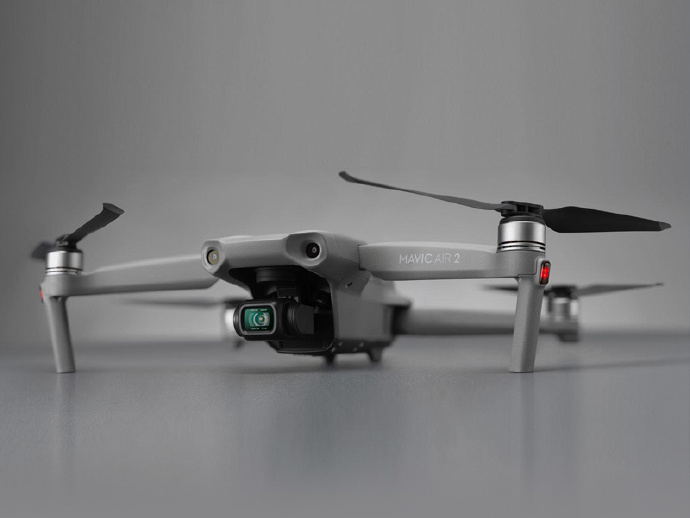
If you operate a drone over private property without permission, you may face lawsuits for trespass or invasion of privacy. Be aware that different countries have different laws—some may impose fines, and others could require you to have insurance in place to cover potential damages caused by your drone.
Commercial Drone Use
Commercial operators should be even more cautious, as stricter guidelines usually apply. Filming, data collection, or any commercial use often requires detailed permits and adherence to additional regulations. Ignoring these could result in both penalties and reputational damage.
Best Practices for Drone Flyers
- Know the Rules: Study FAA regulations, and if you’re outside the U.S., the governing body in your area.
- Avoid Low Altitudes: Flying your drone closer to someone’s property increases the likelihood of interfering with their privacy.
- Respect Privacy: Turn off cameras or other recording equipment when flying near private properties, unless you have explicit permission.
- Stay Updated: Legislation can change, so make it a habit to check the latest laws and guidelines.
FAQs on Flying Drones Over Private Property
Q: Can I fly a drone over public property that’s adjacent to private land?
A: Rules may vary, but in many cases, you can fly over public land. However, if your drone drifts over to private property, you may still face legal consequences depending on local laws.
Q: Is it legal to fly a drone at night over private areas?
A: Flying a drone at night often requires special waivers from the FAA in the U.S. Even with permission, you’ll need proper lighting and safety measures to avoid compromising others’ privacy.
Q: What should I do if someone is flying a drone over my property?
A: First, try to identify the operator and have a calm discussion to resolve the issue. If the intrusion persists, you can report it to local law enforcement or the FAA, depending on the situation.
In summary, flying a drone over private property involves a fine balance of understanding regulations, respecting privacy, and adhering to best practices to avoid legal troubles. Stay informed and compliant to enjoy your drone without any complications.